

01
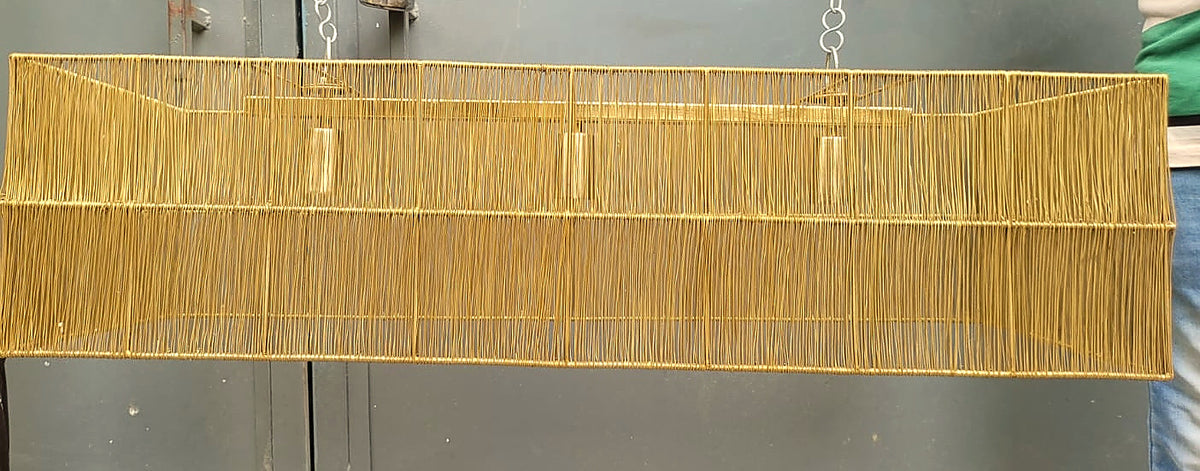
Woven metal
Worked under pressure rather than cut away — rolled and pressed until the metal forms its own pattern, with texture becoming part of the form.

We are different because of how we pair our materials and specify how they are shaped. This comes from our architectural skew and our eye for detail. We like the rawness of our materials and the industrial nature of where they come from. We elevate them to suit, or even complement, a finer space that communicates a sense of boldness, in personality and design. Our materiality and design are communicated through the pieces themselves, because we embrace the unique.

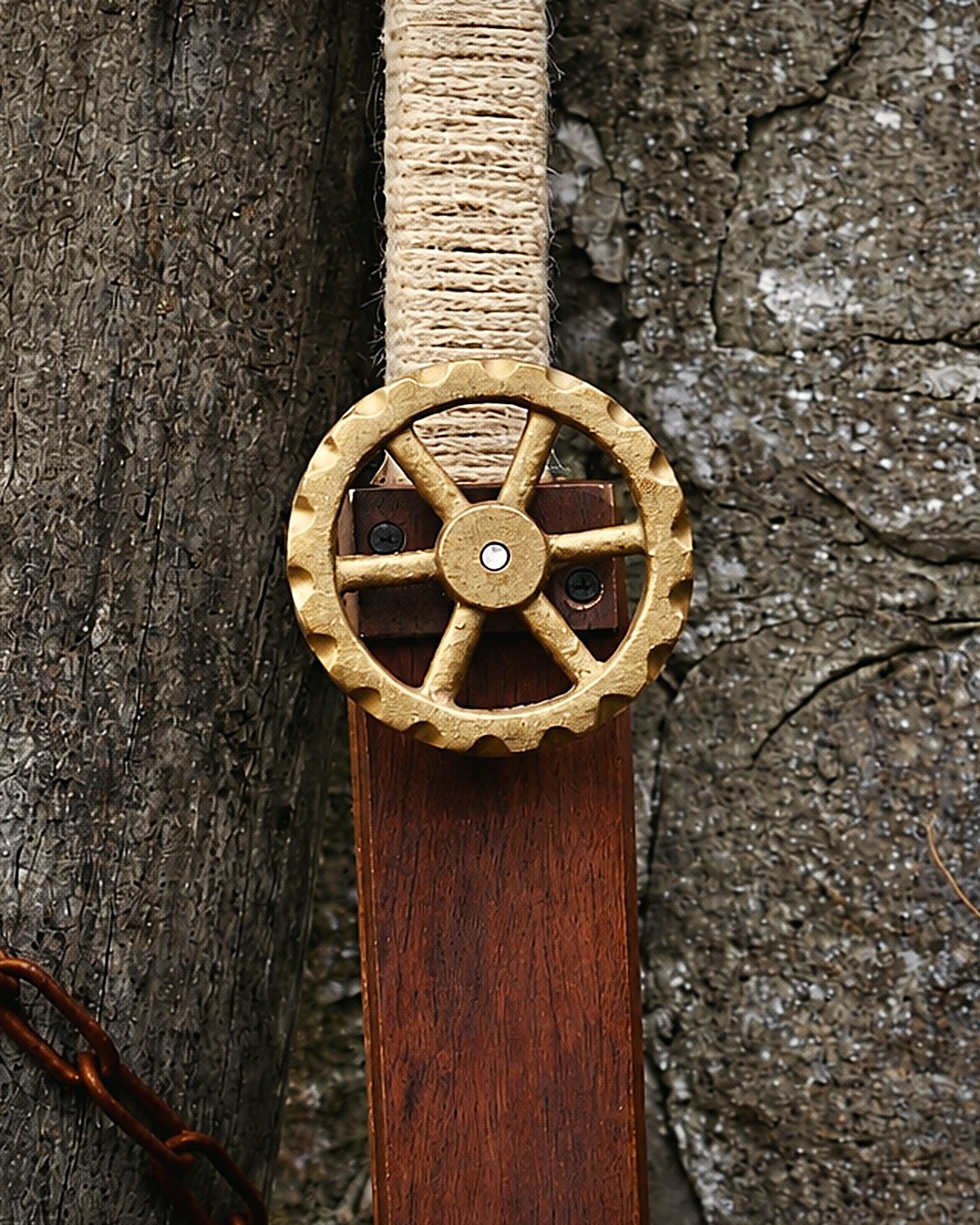
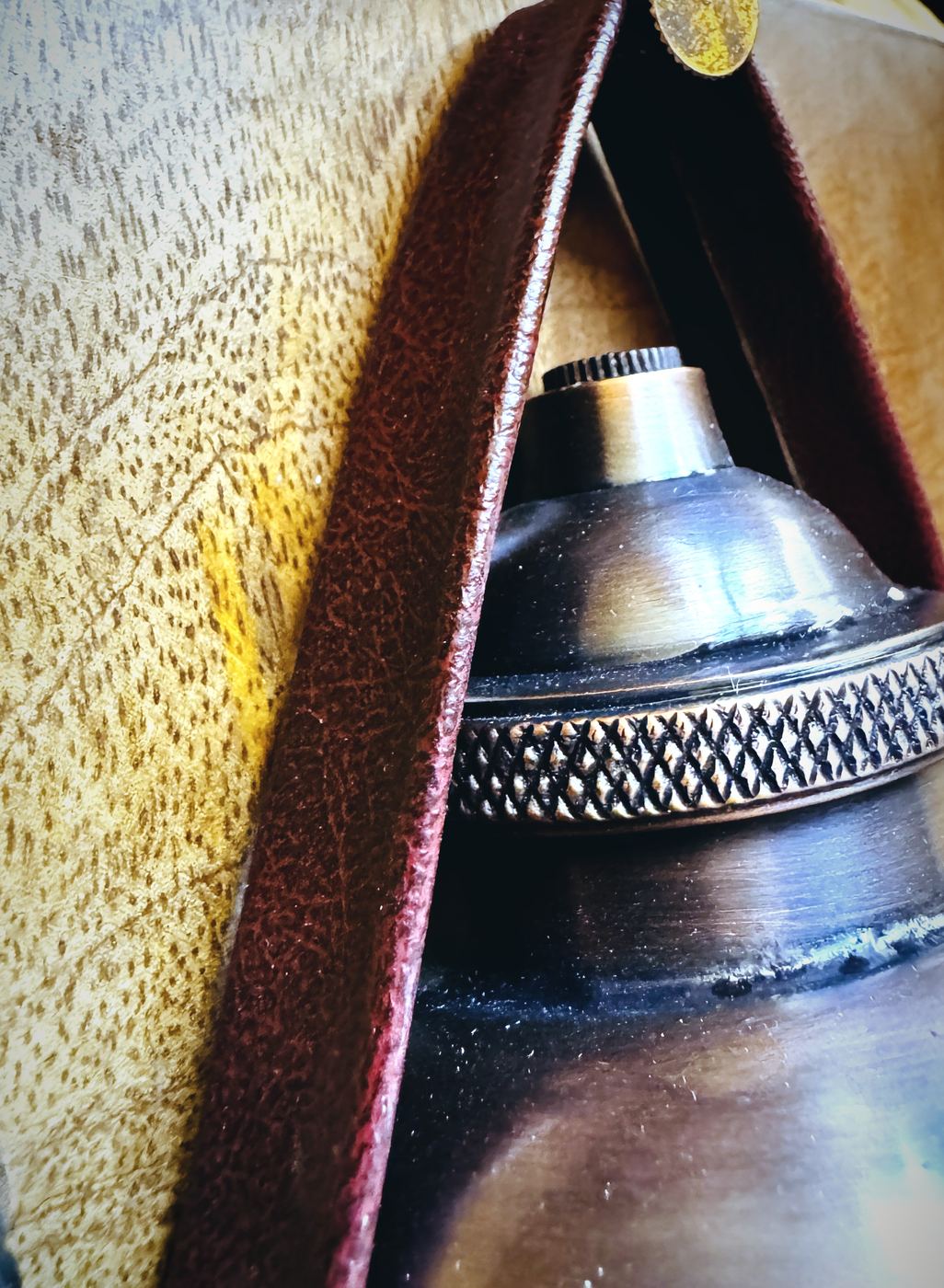
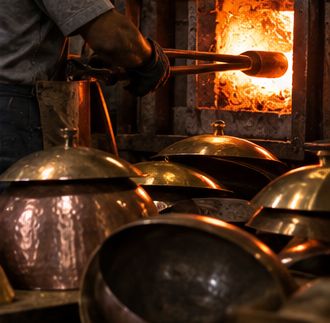

Metal worked with a jeweller’s precision — pierced, engraved and hammered — with details that reveal themselves up close.
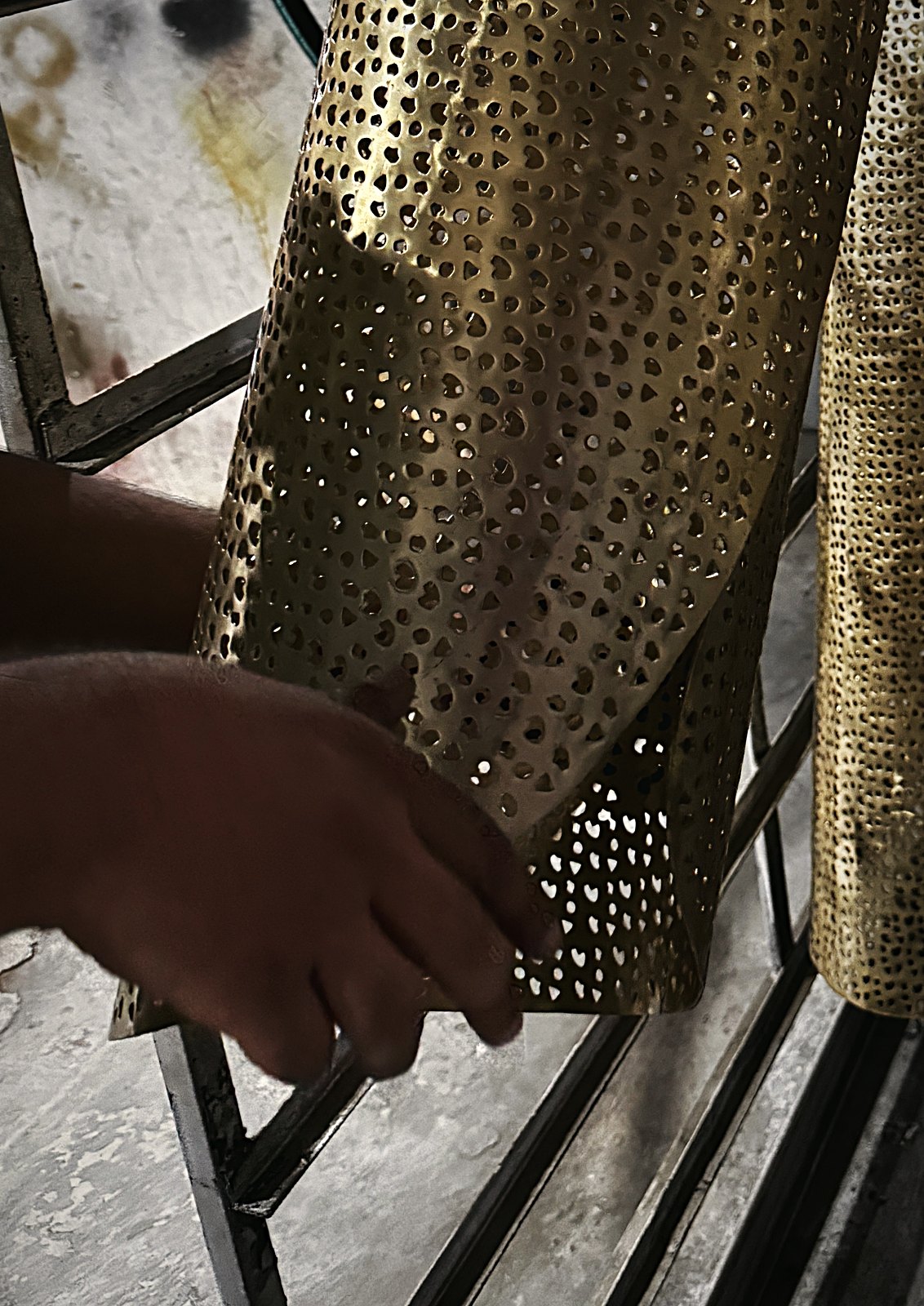
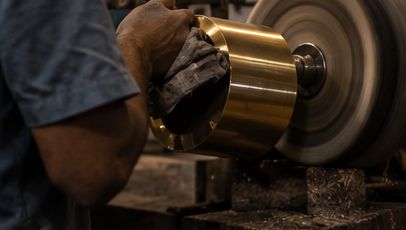

Worked under pressure rather than cut away — rolled and pressed until the metal forms its own pattern, with texture becoming part of the form.
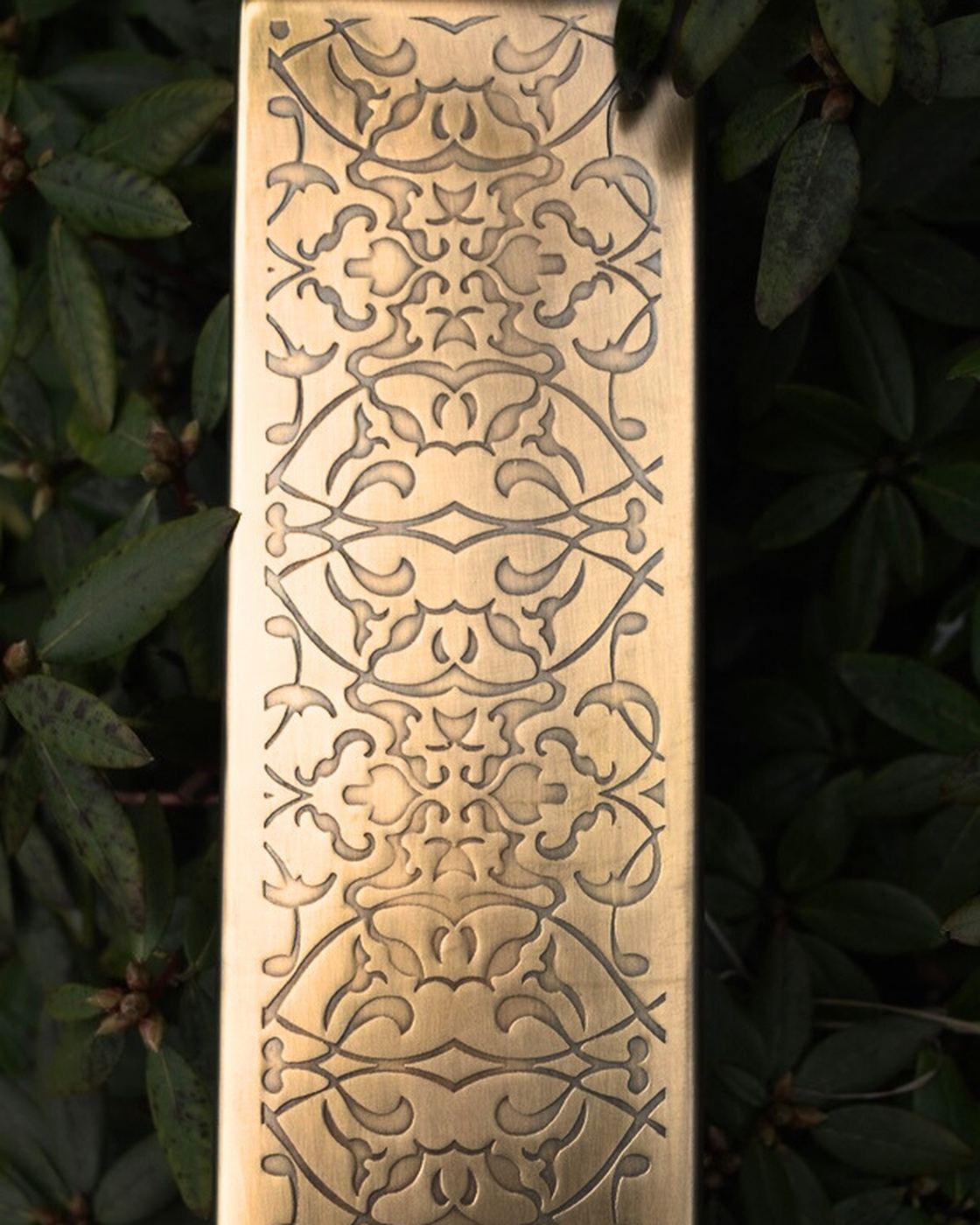
Cut into, not through. The light stays inside the shade and the drawing stays on it.
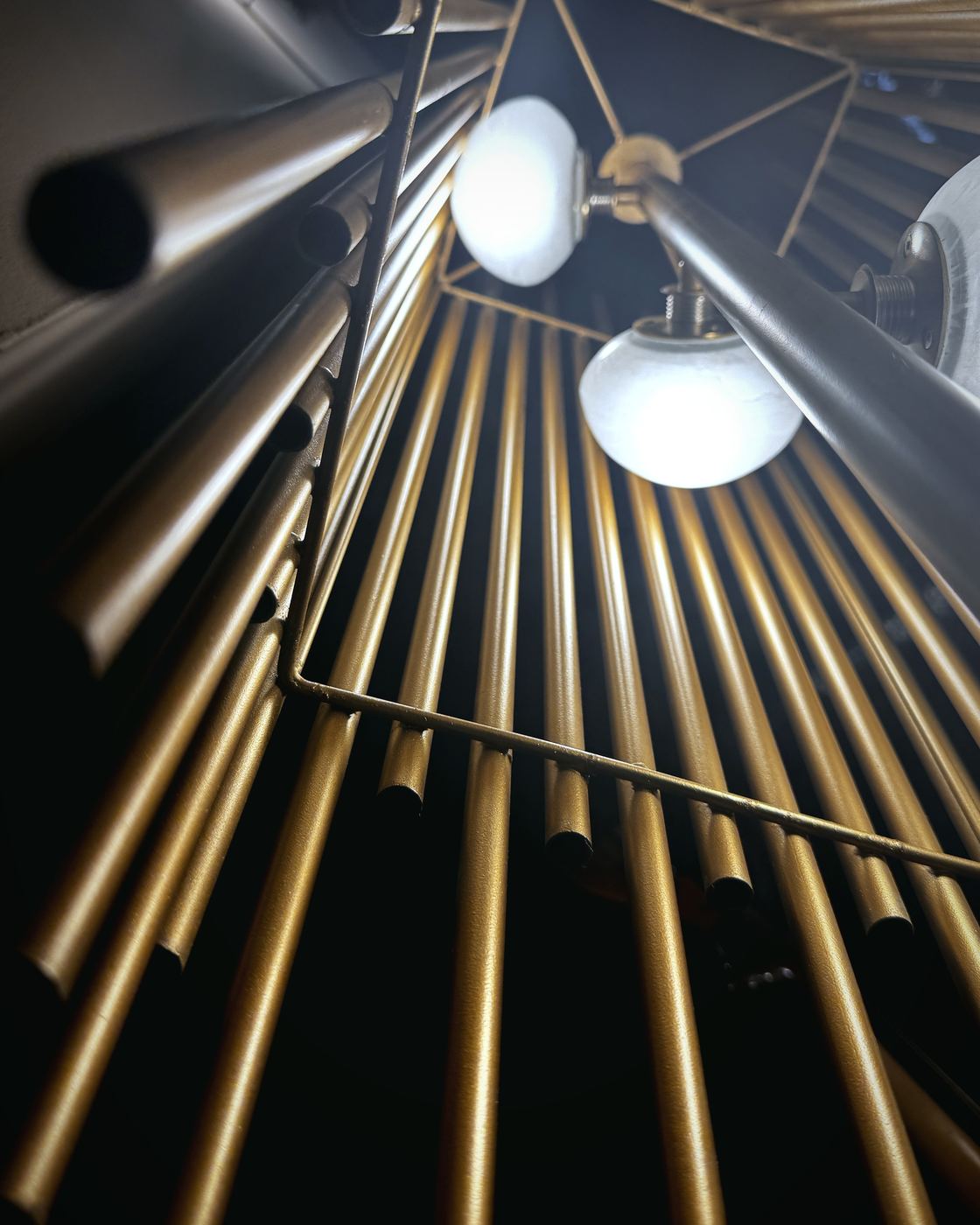
Parallel channels pressed into the surface. Light runs down them rather than across.
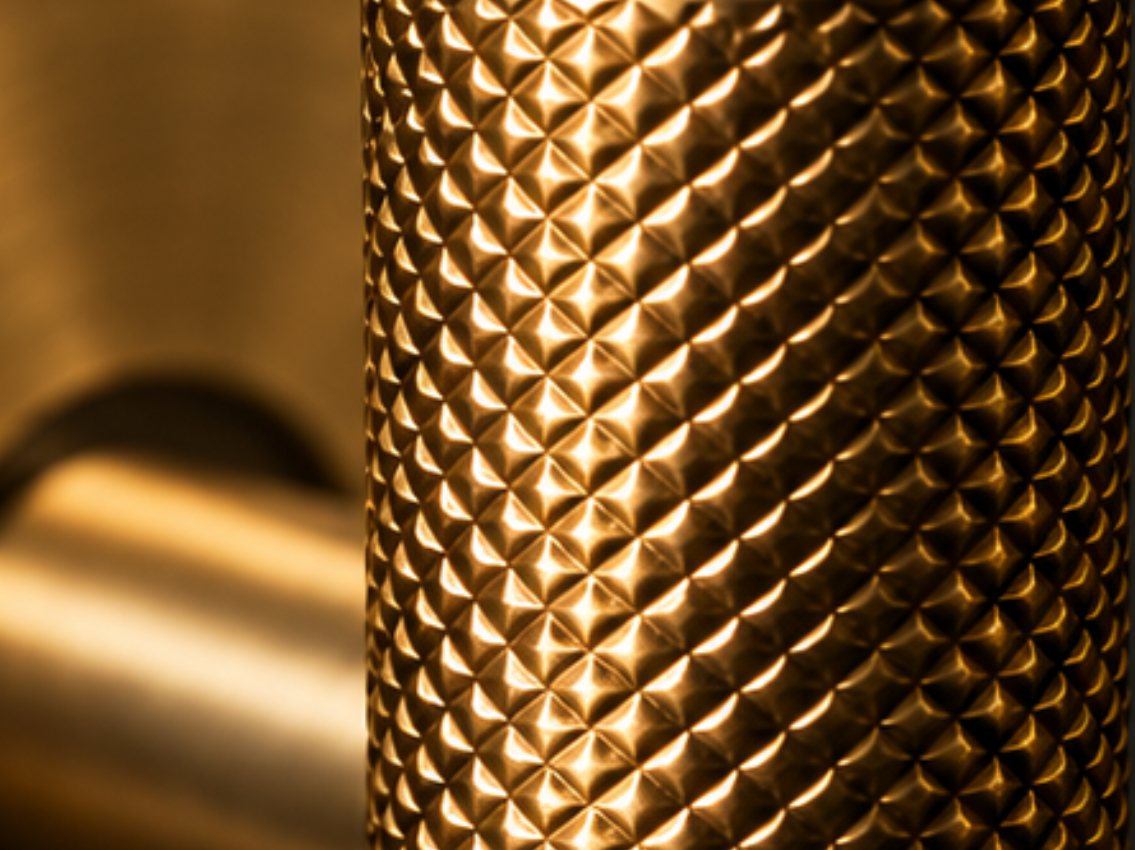
Worked under pressure rather than cut away. Rolled and pressed until the metal carries its own pattern, and the texture is the form rather than something added to it.
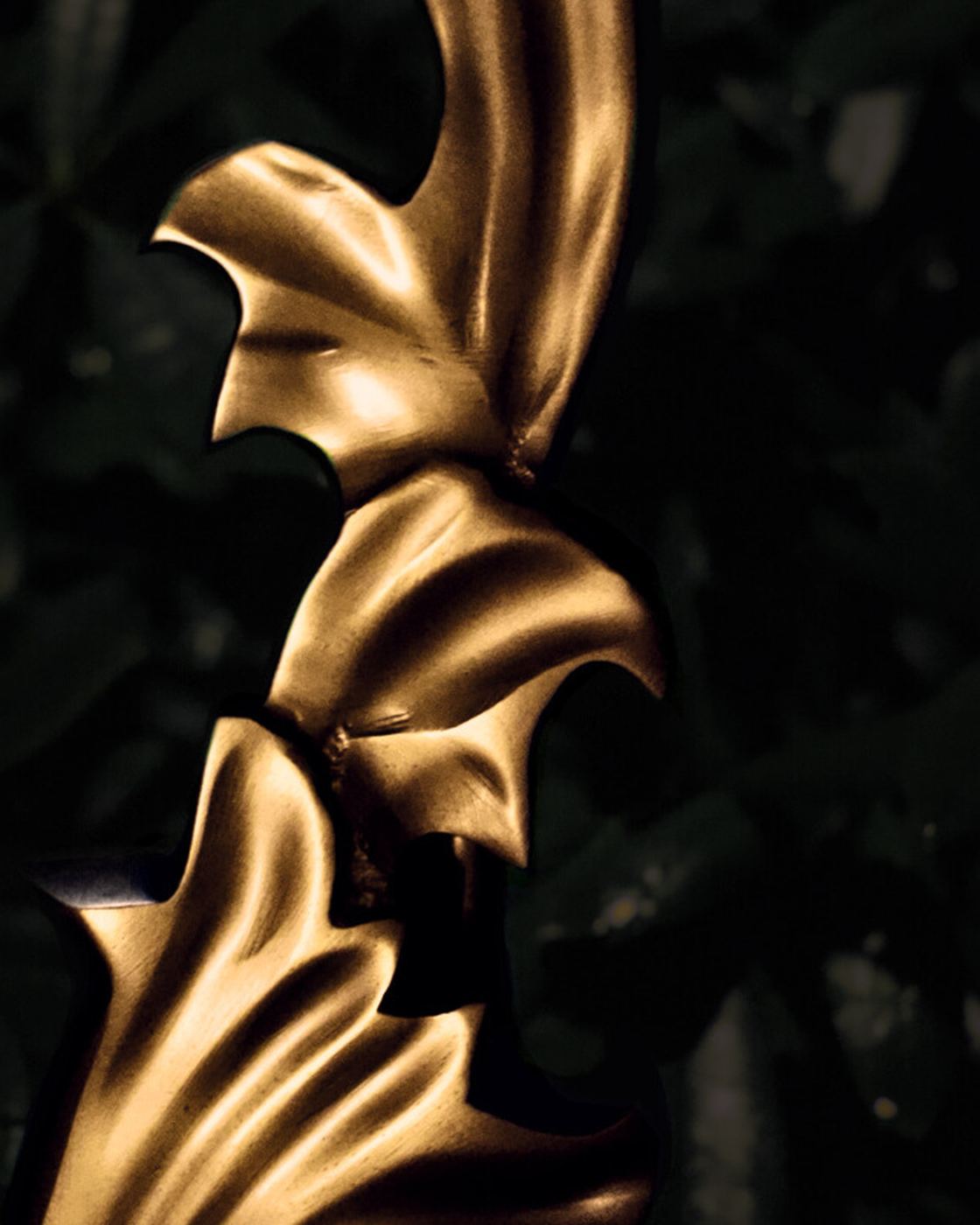
Cast from a pattern, then finished by hand where the mould lines meet.
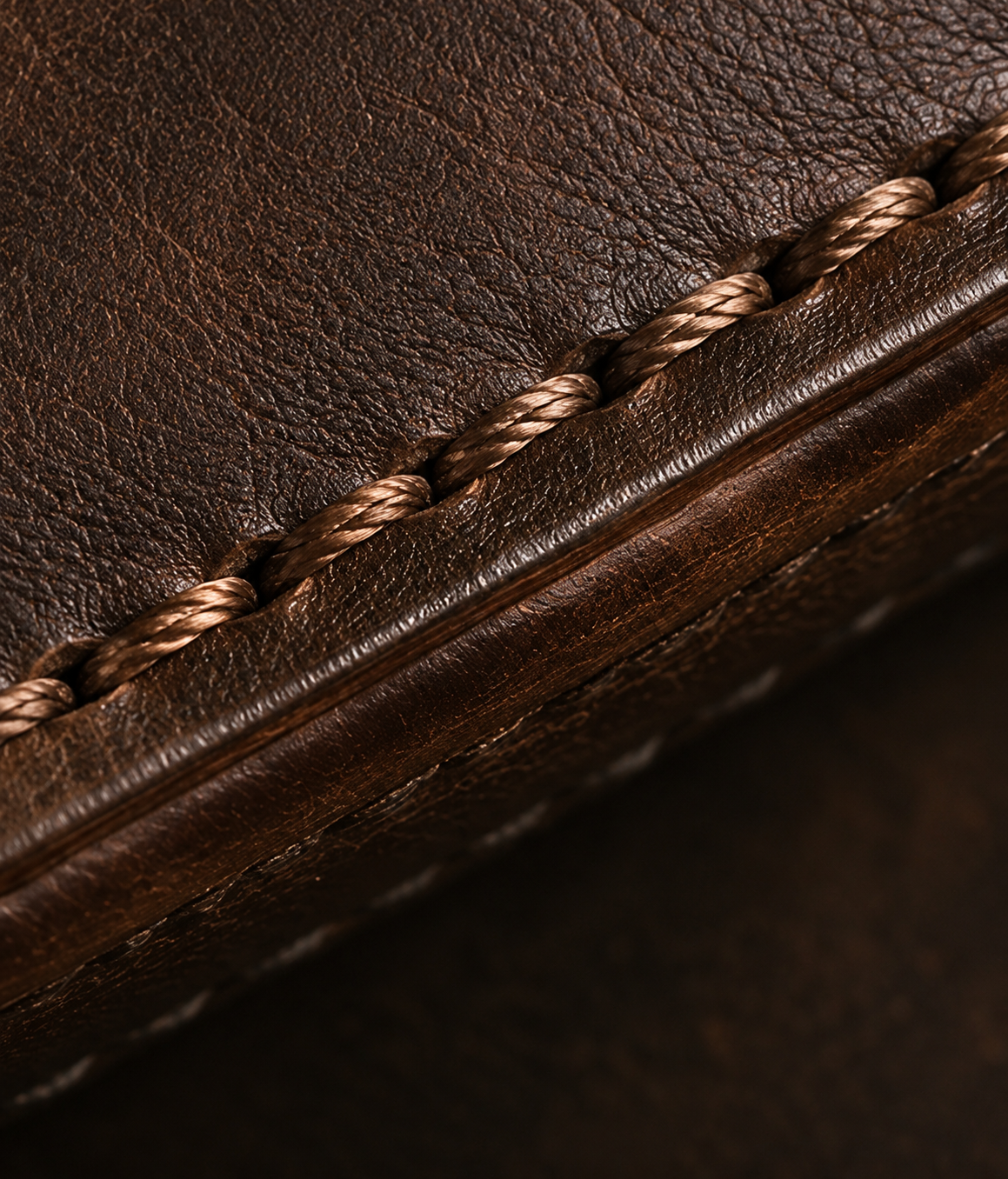
Cut, folded and stitched by hand. Supple and tactile, it matures with use — softening where it is handled and deepening in colour where it is held.
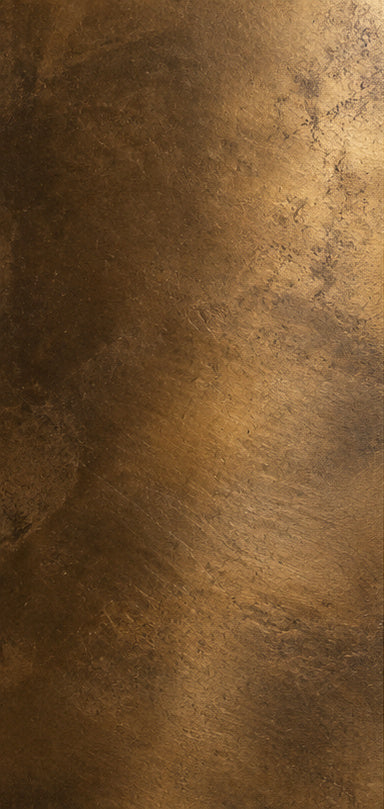

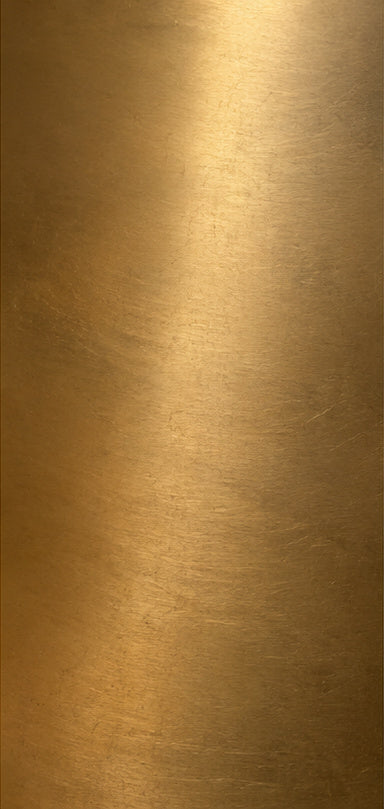
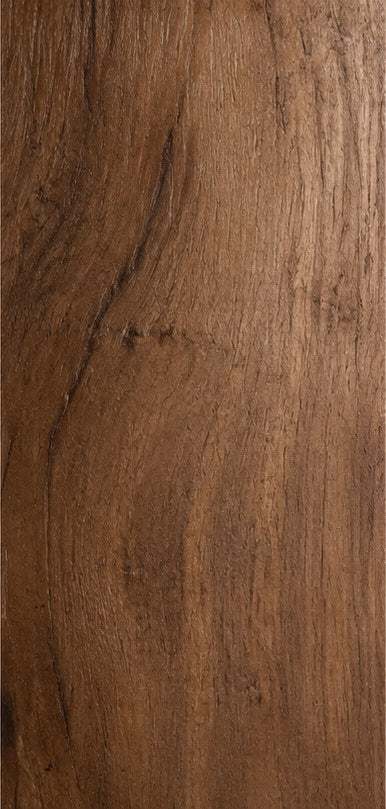
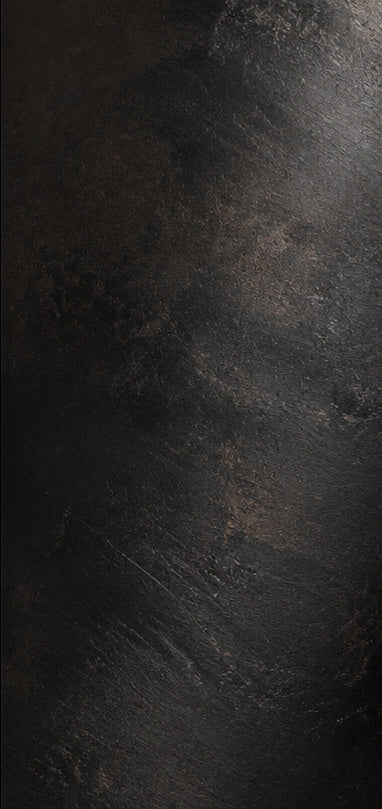
Our finishes are applied and worked by hand, allowing the depth, variation and character of the metal to remain visible. No two pieces will be exactly alike — and that is part of the finish.
The finish sits on the surface, so it should be cleaned rather than polished. Avoid metal polish, which can be abrasive and remove the finish. A soft, dry cloth is all it needs.
These five are our standard finishes, but they are not the full palette. For a project, we can work to specification across
further finishes, timbers and leathers. Ask us for samples early — materials can read quite differently in warm and cool light.
Request the catalogue
Architecture decides how a room is built. Light decides how it feels.
See the collection